
The Power of Art
Using Visual Artwork to Improve Your Health
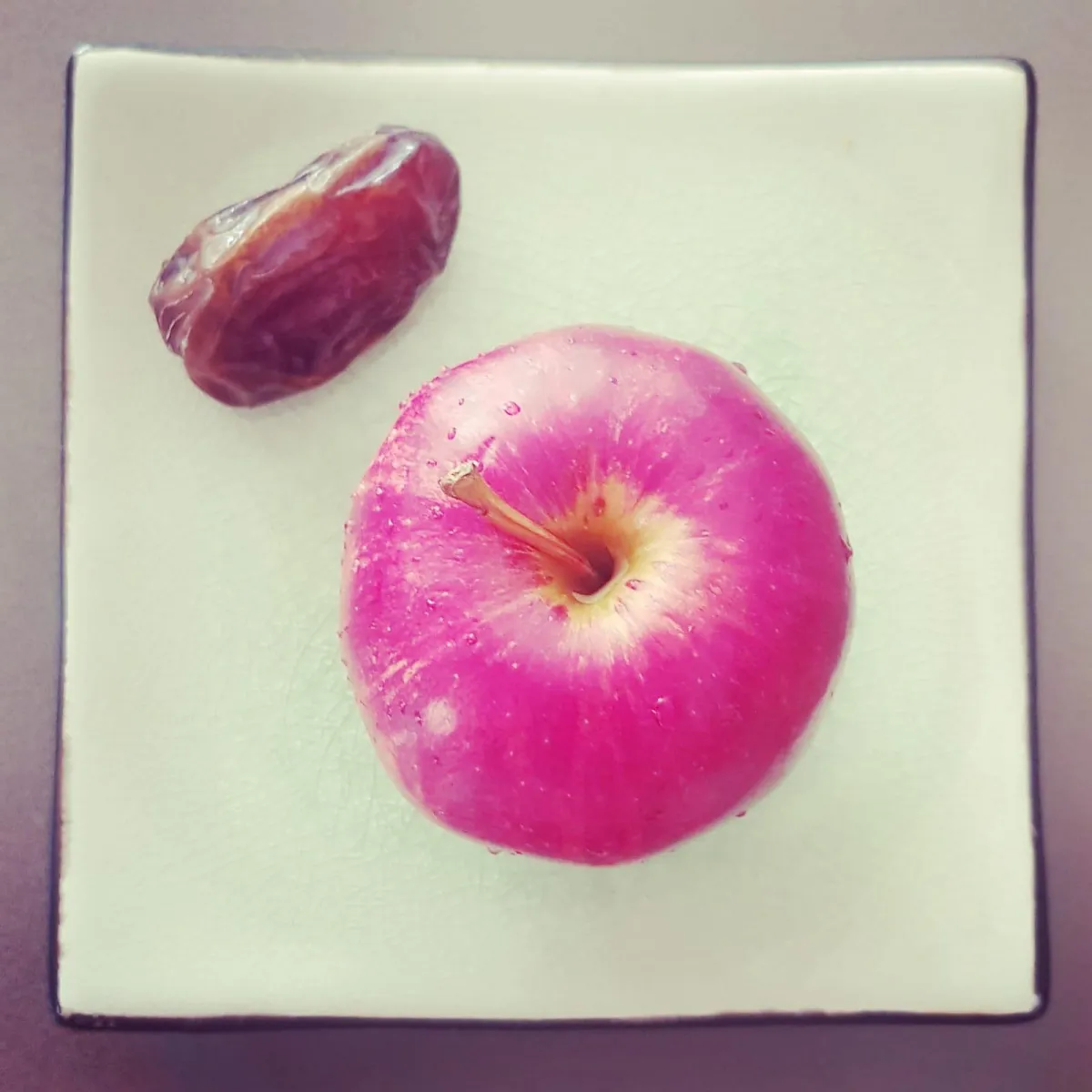
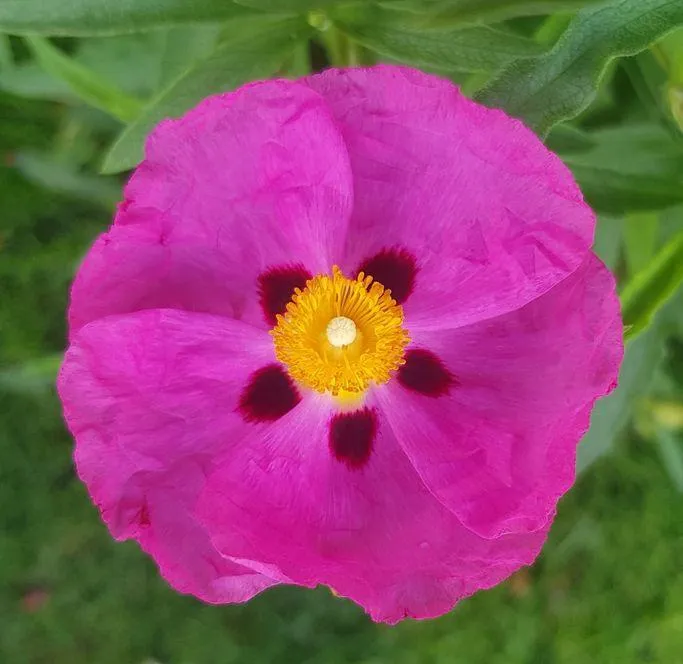
I love looking at artwork to lift my mood and create a greater sense of well-being. There’s something powerful about pausing for a moment and really taking in a beautiful image... whether it’s a painting, a photograph, or even something simple in nature. It also feels almost instant - a soft shift, a lightness, a sense of well-being.
Interestingly, there is growing scientific evidence behind it. A salient 2015 review also found that simply viewing artwork may help reduce stress and support emotional wellbeing (1). One study showed that spending time around visual art was associated with measurable reductions in stress-related physiological responses, such as lower cortisol levels and improved mood (2).
From a psychological perspective, this makes sense. When we focus our attention on something aesthetically pleasing, it can gently shift our emotional state and interrupt patterns of stress or rumination. Exposure to positive visual stimuli, including art and nature, has been shown to support relaxation and improve mental wellbeing (3, 4). In other words, what we look at can influence how we feel.
I often think of this as a simple but powerful tool: choosing to surround ourselves with images or objects that uplift us. Whether it’s placing artwork in your home, saving photos that bring you joy, or taking a few mindful moments to really see something beautiful, these small choices can have a meaningful impact on your day.
It’s such an easy, accessible way to support your wellbeing - no equipment, no routine, just a moment of awareness and appreciation.
Have you ever tried it?
References
(1) Law, M., et al. Evidence for the effects of viewing visual artworks on stress: a systematic review, BMJ Open, 11(6), e043549 (2021).
(2) Clow, A. and Fredhoi, C. Normalisation of salivary cortisol levels and self-report stress by a brief lunchtime visit to an art gallery, International Journal of Psychophysiology, 60(2), 114–120 (2006).
(3) Bratman, G.N., Hamilton, J.P. and Daily, G.C. The impacts of nature experience on human cognitive function and mental health, Annals of the New York Academy of Sciences, 1249(1), 118–136 (2015).
(4) Ulrich, R.S., et al. Stress recovery during exposure to natural and urban environments, Journal of Environmental Psychology, 11(3), 201–230 (1991).